
- info@trakomap.in
- 3C, 3rd Floor, A-1, Sector 10, Noida, 201301
Car Dash Cam with GPS Tracking
Introduction
In an era where vehicle safety and monitoring are crucial, choosing a dash cam with GPS tracking has become an essential requirement for both personal and commercial vehicles. These advanced devices combine high‘clarity video with accurate location details, enabling you to understand not only what happened on the road, but also where and when it occurred. This guide explains why a dash cam with GPS tracking is important, highlights 2025’s latest trends, and shows how solutions offered by Trakomap Telematics can enhance your monitoring setup.
Why Choose a Dash Cam with GPS Tracking?
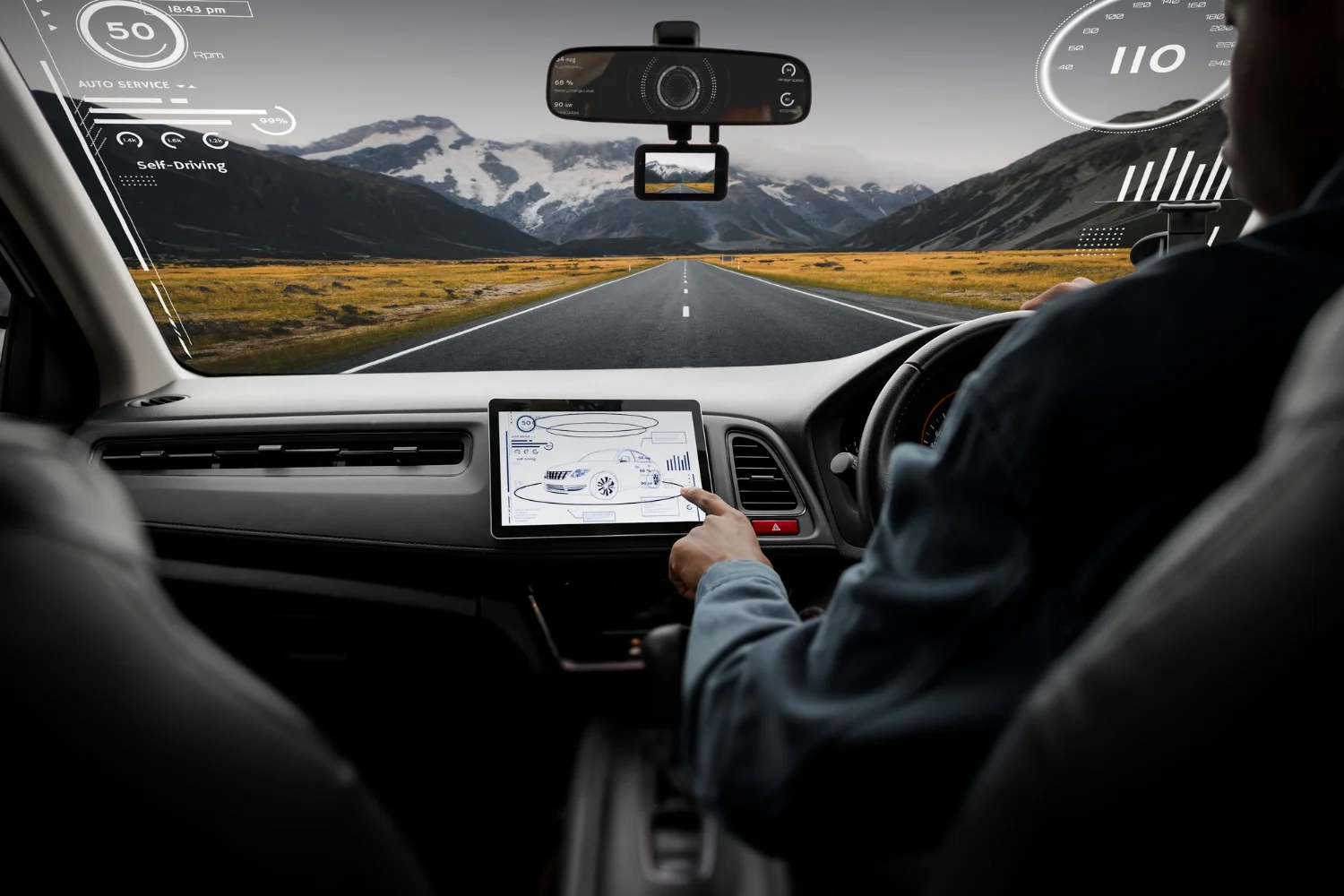
A dash cam with GPS tracking goes far beyond standard video recording. Here is why it matters:
1. Accident Evidence & Protection
With both video and GPS data, you get accurate proof in case of accidents or disputes.The footage, combined with speed and route information, helps clarify events and can protect you from fraudulent claims.
2. Driver Behaviour Monitoring
GPS tracking allows you to understand driving patterns, including speeding, harsh braking, or off‘route driving. This is useful for improving driving safety and reducing long‘term operational risks.
3. Better Fleet Management & Accountability
Businesses benefit significantly from real‘time route tracking and video evidence. It improves operational visibility, reduces misuse of vehicles, and enhances performance reporting. Companies using complete telematics platforms such as Trakomap Telematics gain improved analytics and fleet‘wide insights.
4. Personal Vehicle Security
For individual car owners, GPS‘enabled dash cams offer increased peace of mind by providing accurate location tracking, parking surveillance, and detailed evidence in case of hit‘and‘run situations.
What to Look for When Buying a Dash Cam with GPS Tracking
Here’s a quick checklist for choosing the right model:
- Built‘in GPS module for accurate location logging
- Minimum 1080p resolution (2K or 4K recommended)
- Dual‘channel or cabin‘monitoring cameras
- Parking mode with motion or impact detection
- WiFi or 4G connectivity for cloud uploads
- Hard‘wired installation for 24/7 surveillance
- Large SD card support with loop recording
- Telematics compatibility, especially for business fleets
How a Telematics Partner Enhances the System
Using a dash cam alone is effective, but integrating it with a telematics partner like Trakomap Telematics takes monitoring to a higher level. Their system connects video events with GPS analytics, offers live tracking dashboards, supports geofencing, and enables driver behaviour scoring. This transforms a simple camera into a complete vehicle safety and management solution.
Installation Tips & Best Practices
- Install the camera near the rear‘view mirror for best visibility.
- Use a hard‘wire kit if you require 24/7 parking mode.
- Test the GPS signal after installation for accuracy.
- Regularly format and manage your SD card to prevent data corruption.
- For fleets, ensure every dash cam is synced with your telematics dashboard.
Conclusion
A dash cam with GPS tracking is a powerful tool for vehicle security, safety and operational efficiency. As technology advances in 2025, features like 4K video, dual channels, LTE cloud upload and deeper telematics integration are becoming standard. By combining a quality dash cam with a robust platform like Trakomap Telematics, you get a comprehensive solution that enhances accountability, improves safety and offers complete peace of mind”on every trip.
Have Questions? Talk to Our Experts
Get the best tracking solutions customized for your needs.